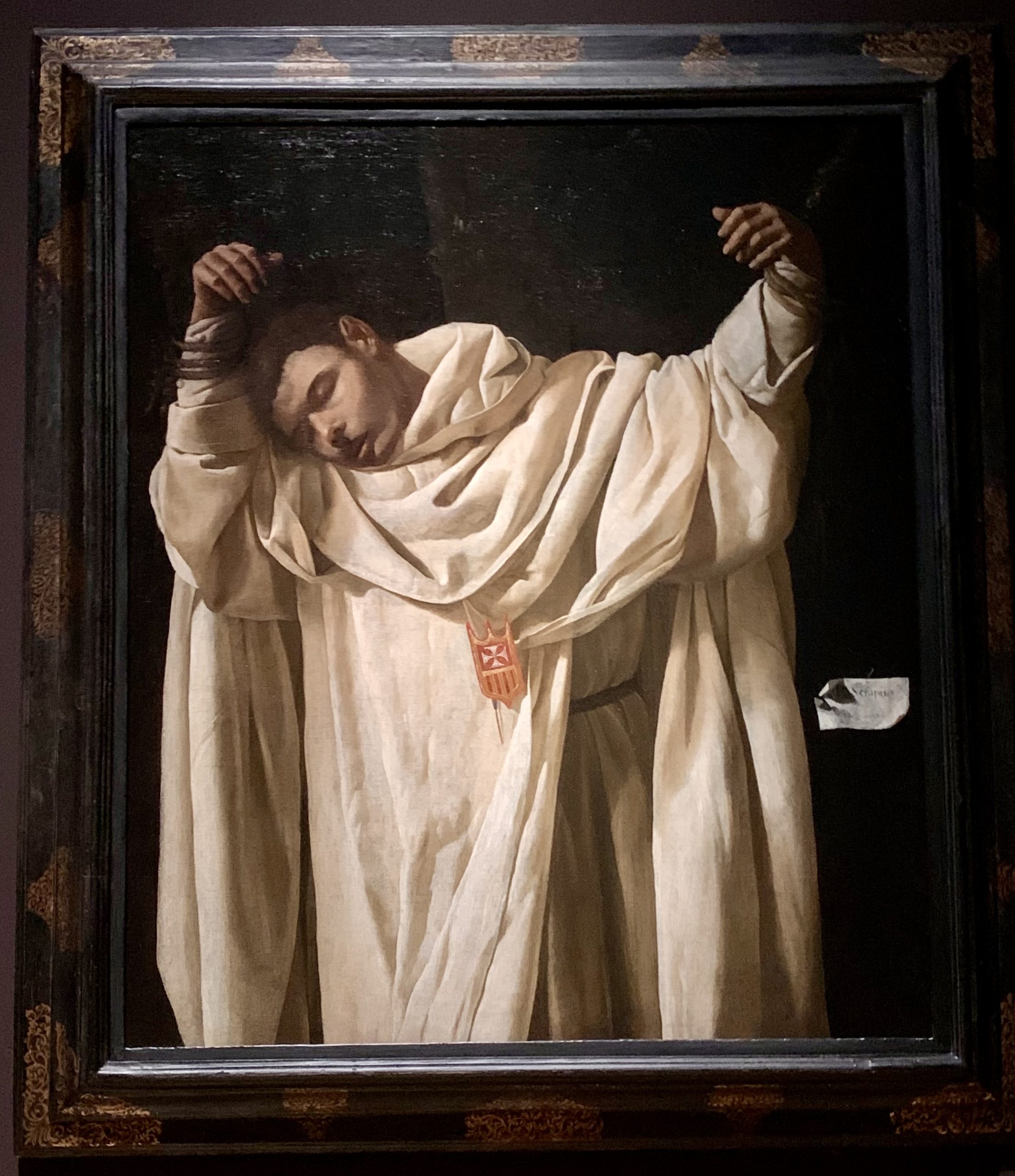
Who? people said to me when I mentioned this show at the National Gallery.
A 17th century Spanish artist, Francisco de Zurbarán worked during the Counter-Reformation. His patrons were religious orders intent on reinforcing the power and influence of the Catholic church throughout the Spanish Empire.
I don’t know if he was very religious but the paintings exude faith and devotion to God. Wonder and beauty are two words that spring to my mind when looking at his work.
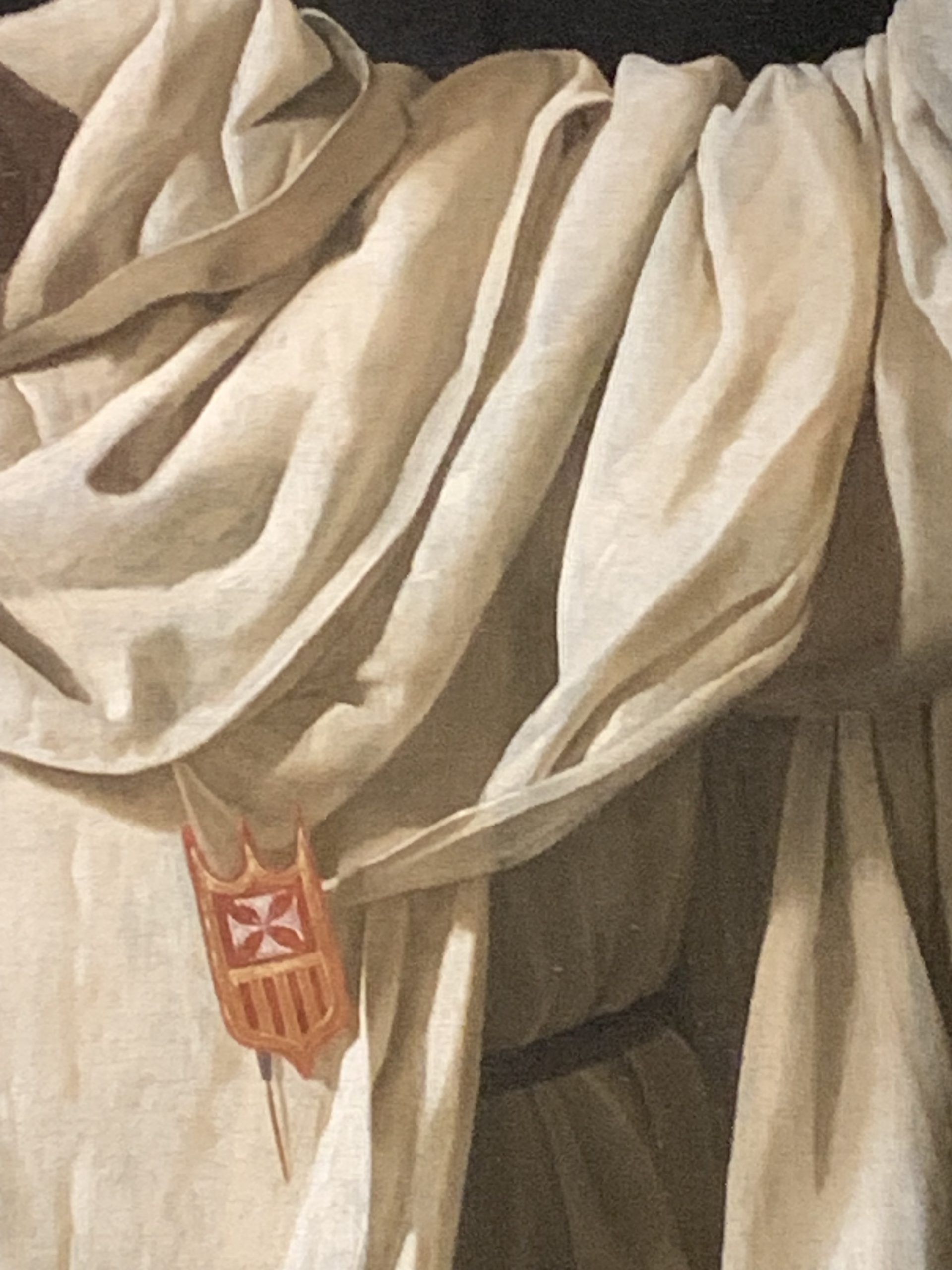
See how lovingly he paints the fabric in this portrait of Saint Serapion.
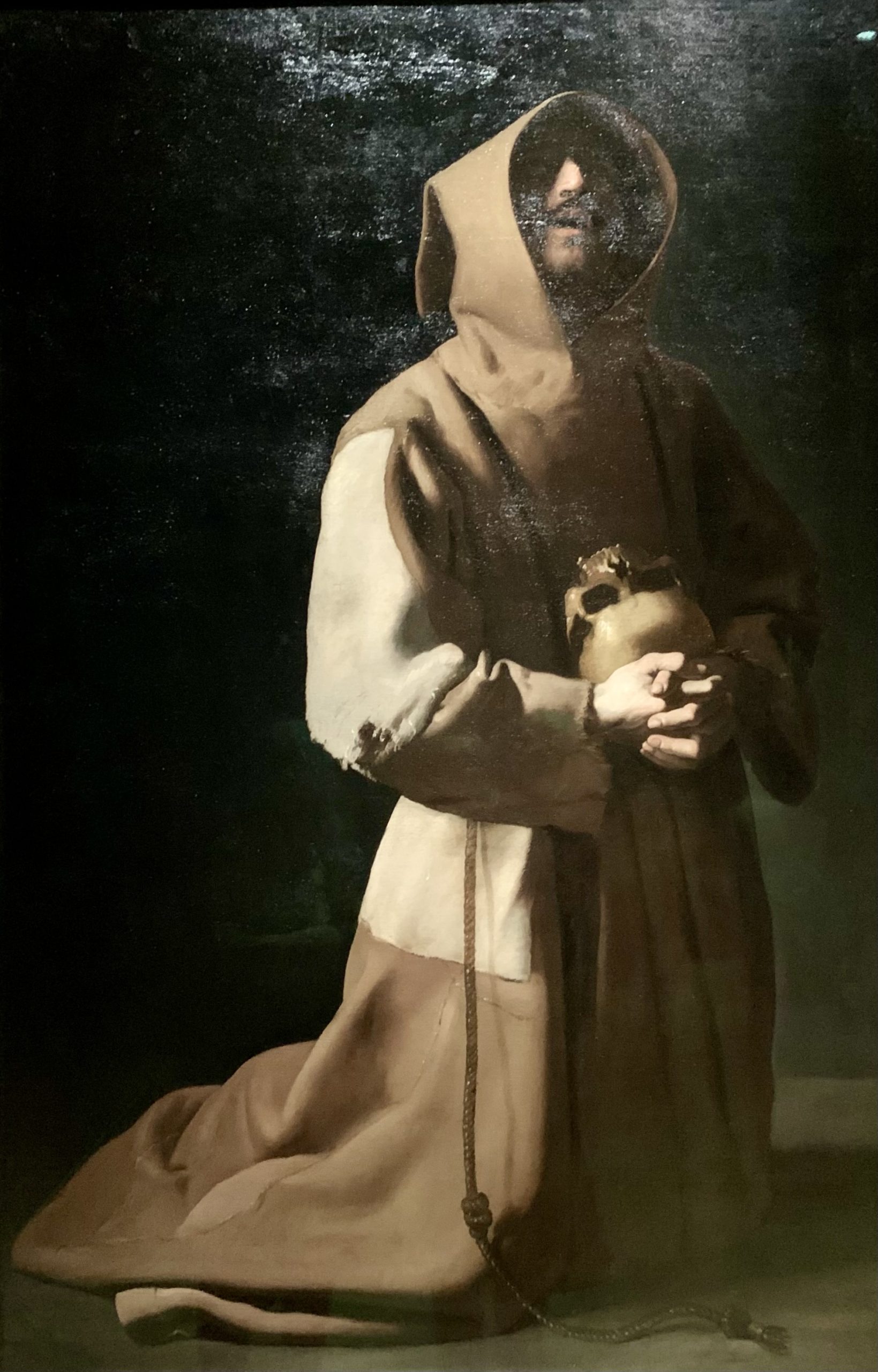
Saint Francis’ shadowed face gazes up to heaven, his mouth open in rapture.
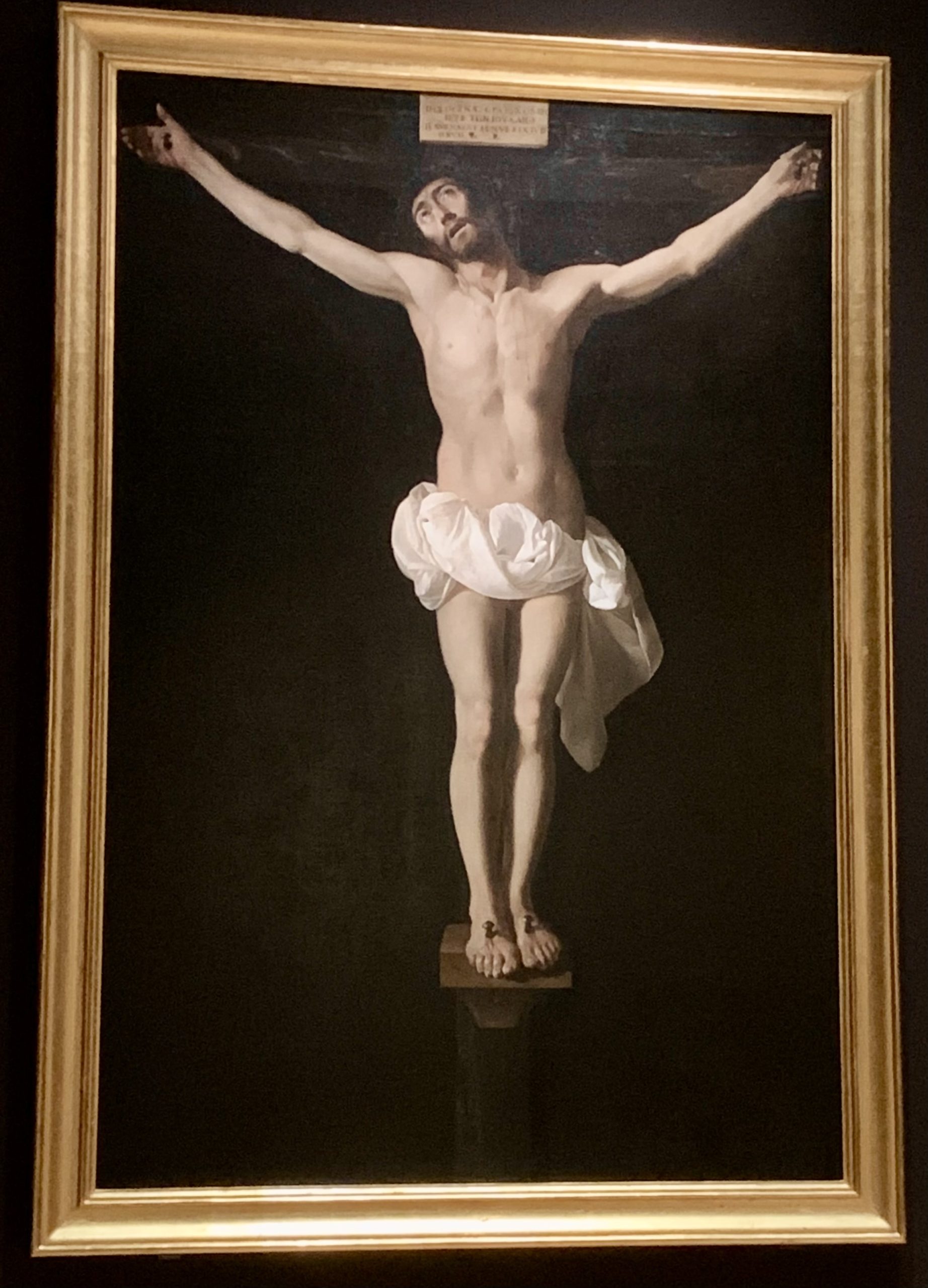
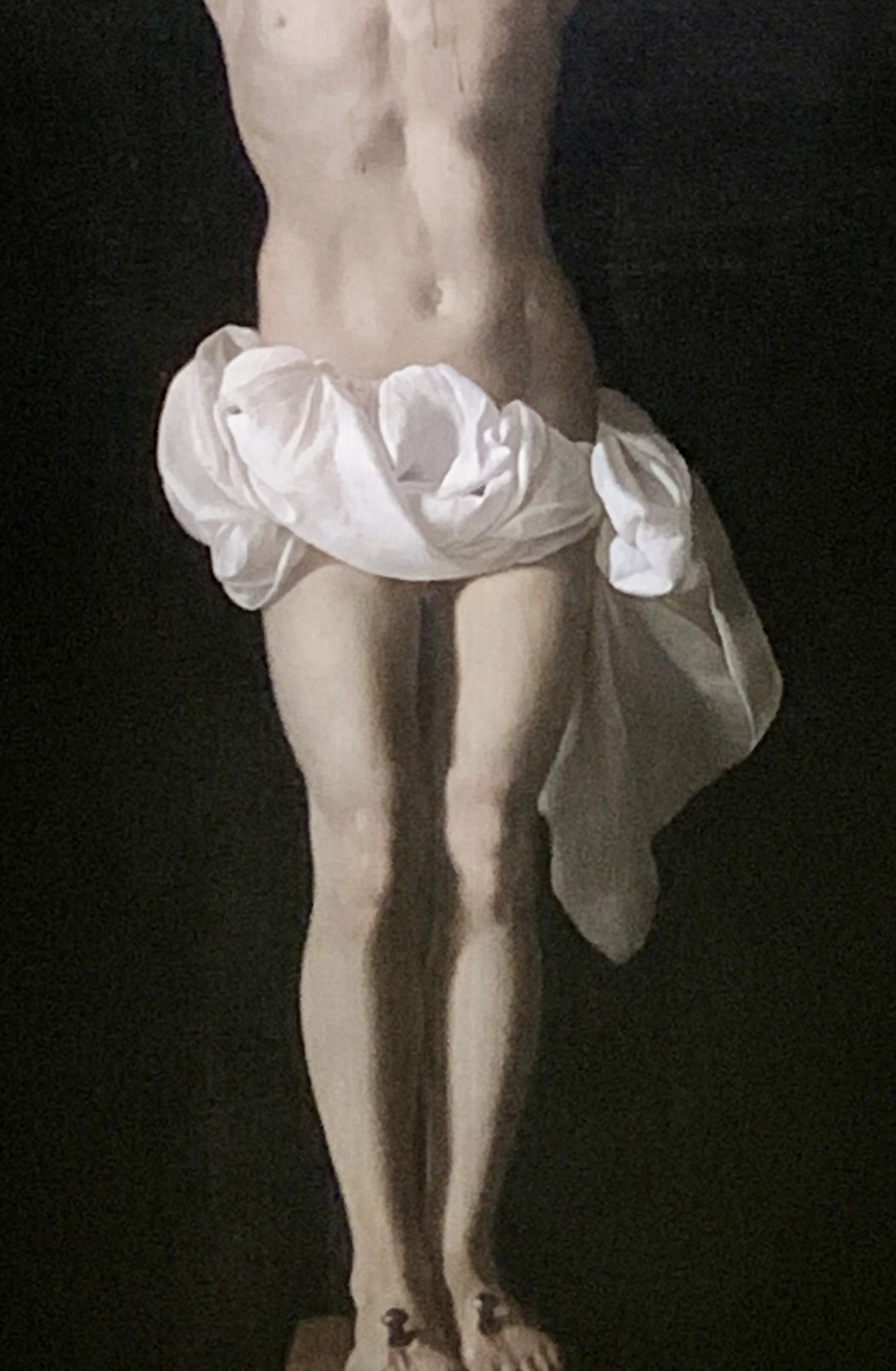
Devotion is evident in this crucifixion too though our focus went straight to the billowing loincloth: his painting of fabric is a joy to behold.
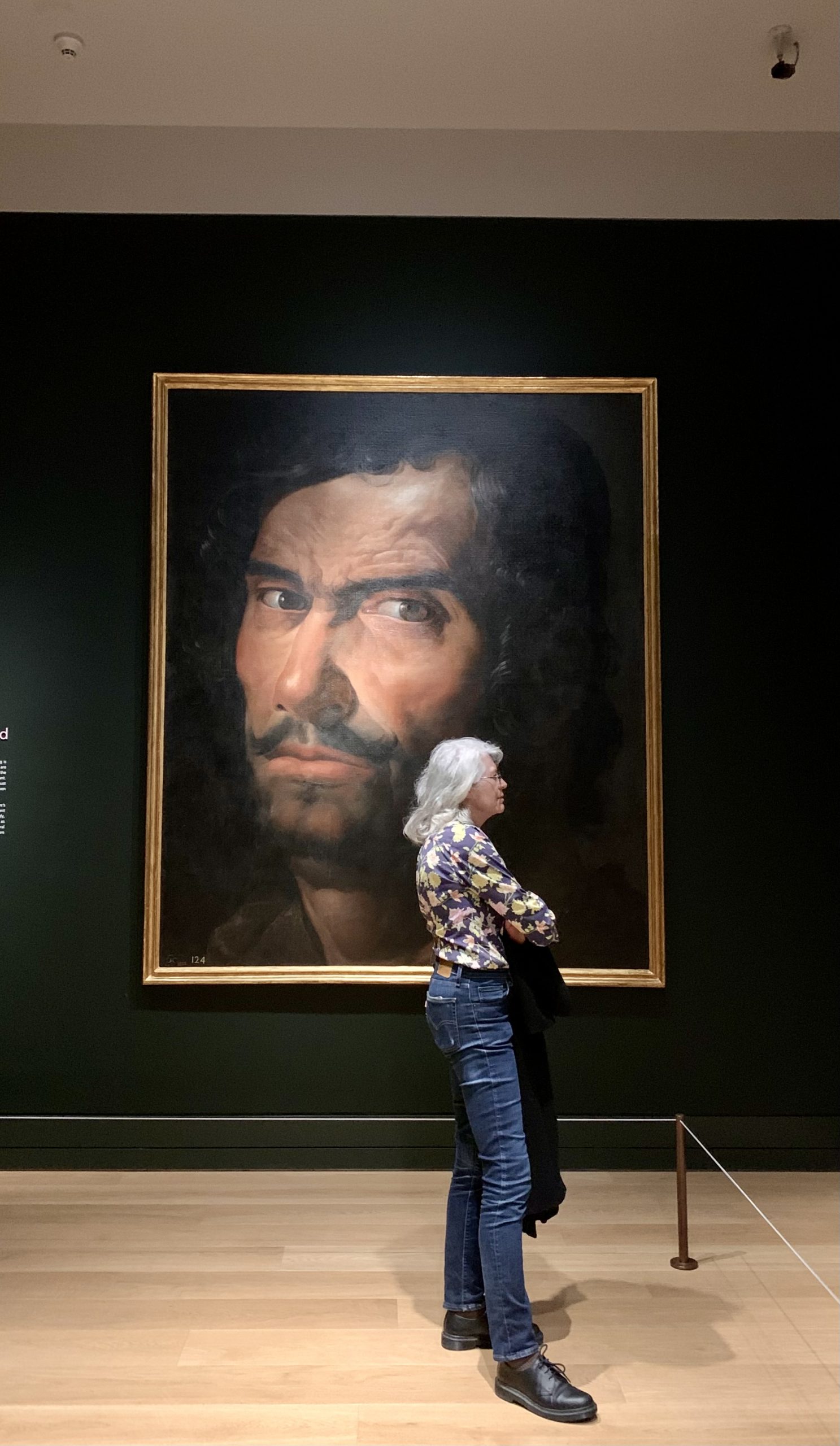
This colossal head has recently been attributed to Zurbarán. It’s rare for something of this scale on canvas to survive and no-one knows why it was painted.
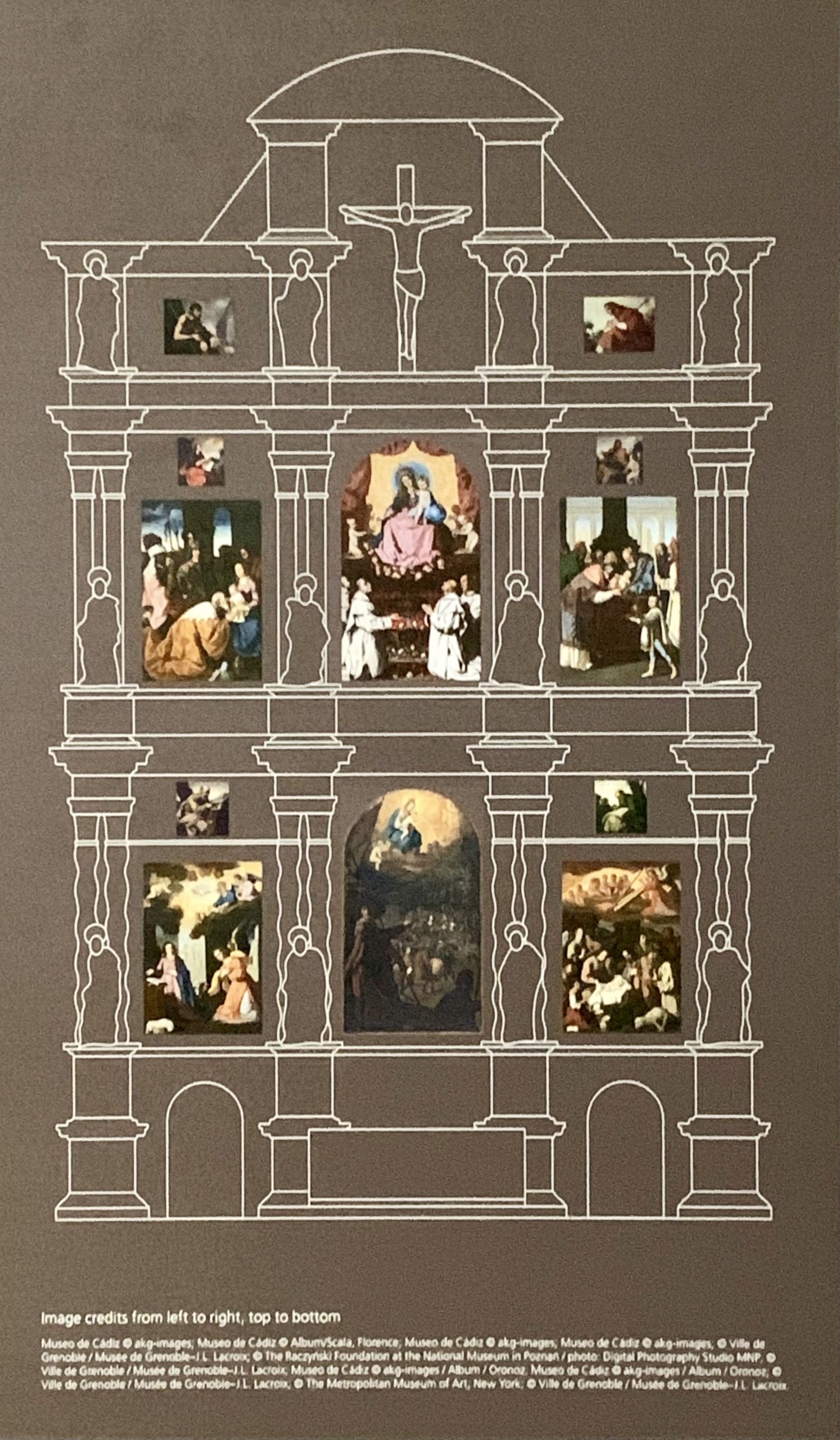
It’s difficult to imagine how this vast alterpiece (about 15 metres high) would have looked in its original setting. The entire thing was dismantled in the early 19th century so the diagram below imagines what it might have been.
The three panels on show are reunited for the first time in almost 175 years, with the central one about 3 metres high.
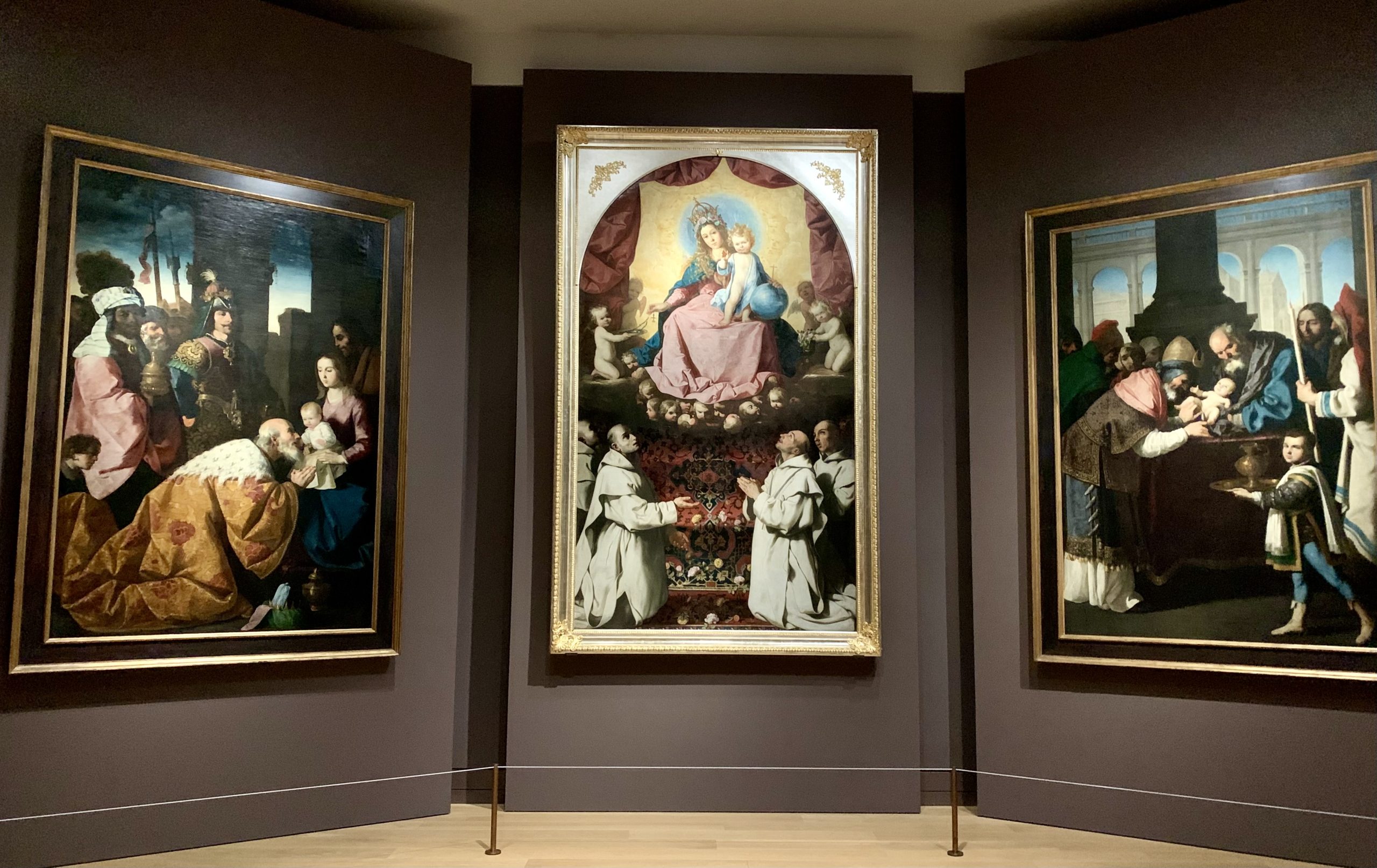
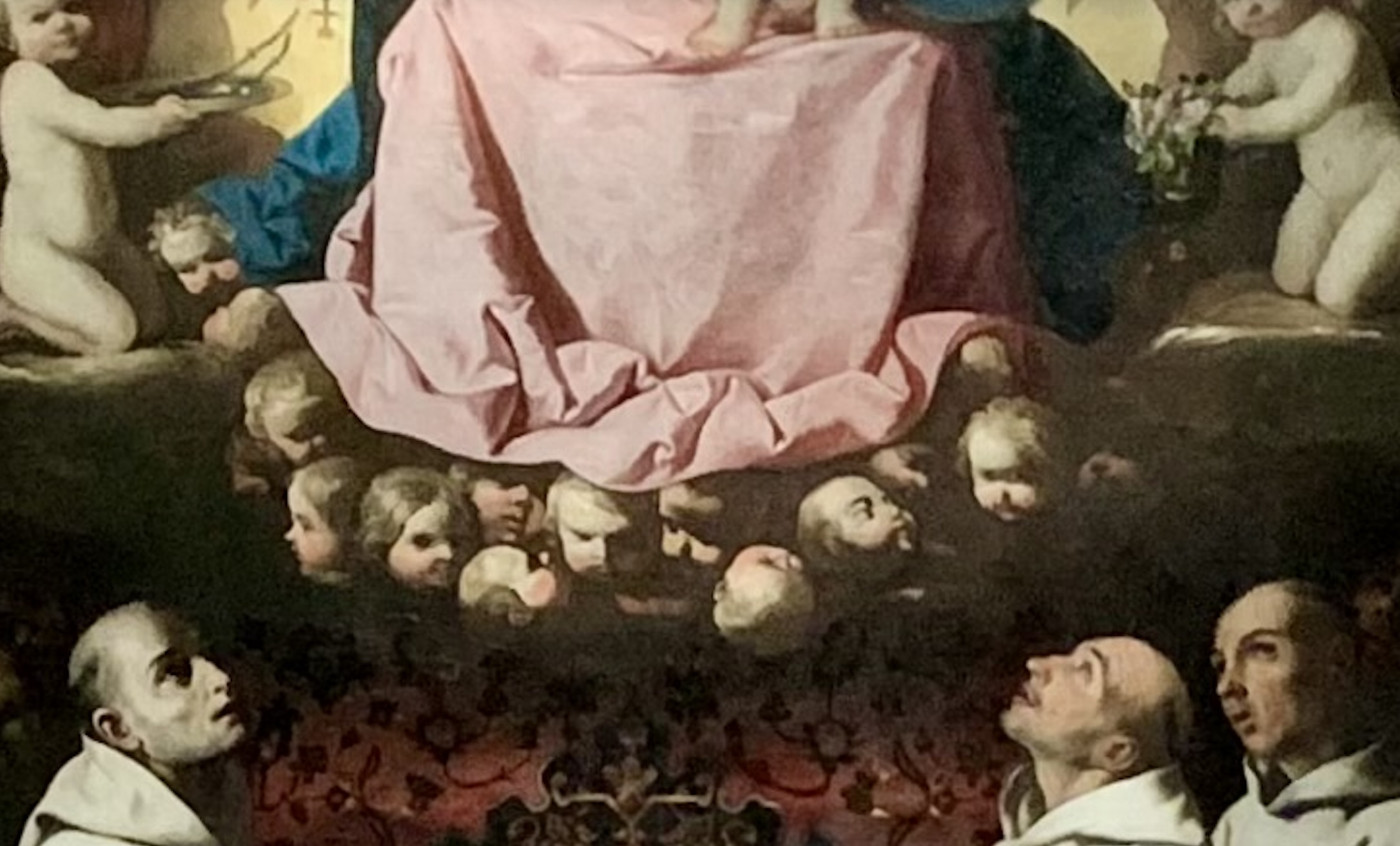
We had a bit of trouble with the piles of disembodied cherub heads but maybe that’s a Spanish Counter-Reformation thing?
There’s so much more that another post will follow.